
Conveyors and Conveying Systems in Australia: A Buyer’s Guide to Choosing the Right Solution for Your Industry
Choosing the right conveyors and conveying systems is a crucial decision for Australian industries, including food processing, grain handling, mining, packaging, and manufacturing. The wrong system can lead to frequent downtime, excessive maintenance, product damage, and safety risks. The right system, on the other hand, improves efficiency, ensures compliance, and delivers long-term reliability.
This buyer’s guide explains the most commonly used conveyor systems in Australia, their differences, and how to select the right solution based on your industry and material handling requirements.
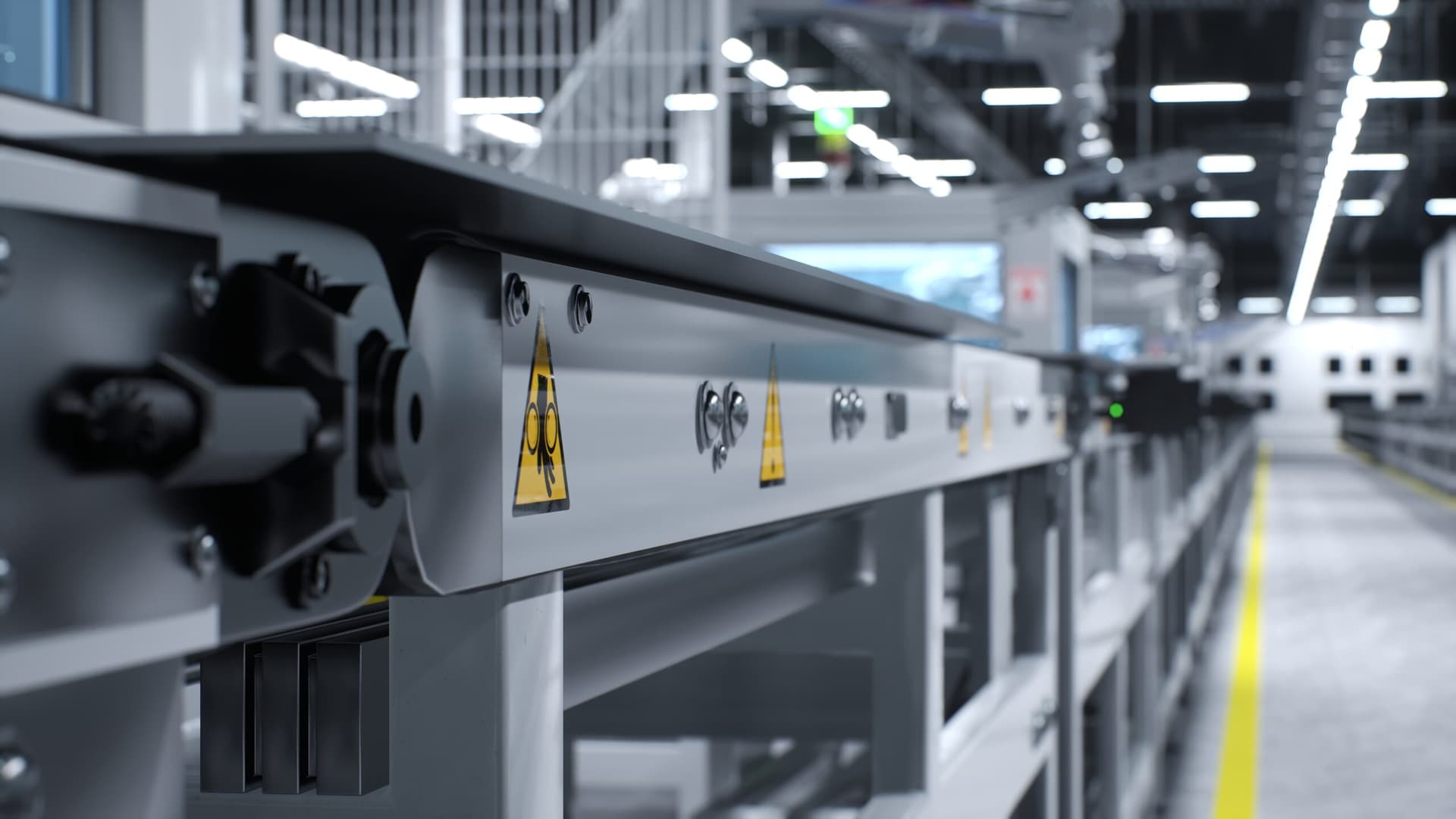
Why Choosing the Right Conveyor System Matters
Conveyor systems are not one-size-fits-all. Factors such as material type, throughput, layout, hygiene requirements, and operating environment all influence system performance. Australian operations also face unique challenges, including harsh climates, strict safety regulations, and the need for durable, low-maintenance equipment.
Selecting the right conveying solution helps you:
Reduce unplanned downtime
Improve workplace safety
Lower long-term operating costs
Extend equipment lifespan
Support future automation and expansion
Overview of Common Conveyor Systems Used in Australia
Belt Conveyors – Versatile and Cost-Effective
Belt conveyors are one of the most widely used conveyor systems across Australian industries. They are ideal for transporting bulk or unit loads over long distances with minimal energy consumption.
Best suited for:
Food processing and packaging
Grain and agricultural products
Warehousing and logistics
General manufacturing
Key benefits:
Simple design and low operating cost
Suitable for high-capacity and long-distance conveying
Easy integration with automation and sorting systems
Considerations:Belt selection is critical. Factors such as abrasion resistance, food-grade compliance, and environmental exposure must be considered during the design process.
Bucket Elevators – Efficient Vertical Conveying
When materials need to be lifted vertically, bucket elevators are the preferred solution. They are designed to move bulk materials upward with minimal footprint.
Grain handling facilities
Food and feed processing plants
Fertilizer and chemical industries
High vertical lift capacity
Enclosed design reduces dust and spillage
Gentle handling options for fragile materials
Considerations:Selecting the appropriate bucket type, belt or chain configuration, and discharge method is crucial for ensuring long-term reliability and safety.
Screw Conveyors & Auger Flights – Controlled Material Movement
Screw conveyors, powered by precision-engineered auger flights, are ideal for controlled, enclosed conveying of bulk materials.
Powders, granules, and semi-solid materials
Food, chemical, and recycling industries
Metering and dosing applications
Compact and enclosed design
Excellent control over material flow
Customisable auger flights for different materials
Considerations:Material characteristics such as moisture content and abrasiveness influence auger flight design, pitch, and material selection.
Drag Chain Conveyors – Built for Heavy-Duty Applications
Drag chain conveyors are designed for demanding environments where durability and low maintenance are critical.
Mining and mineral processing
Grain and feed handling
Fertilizer and biomass industries
Excellent for abrasive and heavy materials
Enclosed design minimises dust
Long service life with proper wear components
Considerations:Chain quality, wear liners, and sprocket design directly impact performance and maintenance costs.
How to Choose the Right Conveying System for Your Industry
When evaluating conveyor systems, focus on the following key factors:
Consider factors such as bulk density, particle size, abrasiveness, moisture content, and temperature.
Define peak and average capacity needs to avoid undersized or over-engineered systems.
Vertical lifts, horizontal distances, and available floor space determine system configuration.
Food and pharmaceutical industries require hygienic designs, easy cleaning, and compliant materials.
Ensure systems meet Australian safety requirements and allow safe access for maintenance.
Locally supported systems with readily available spare parts reduce downtime and operating risk.
Industry-Specific Examples
Food Processing: Belt conveyors for gentle handling, screw conveyors for powders, and hygienic bucket elevators.
Grain & Agriculture: Bucket elevators and drag chain conveyors for high throughput and dust control.
Mining & Heavy Industry: Drag chain conveyors and heavy-duty screw conveyors with abrasion-resistant components.
Packaging & Logistics: Belt conveyors integrated with automated packing and weighing systems.
Think Long Term: Total Cost of Ownership
The initial purchase price is only one part of the equation. A reliable conveyor system should offer:
Lower maintenance costs
Energy efficiency
Long component life
Easy upgrades and retrofits
Choosing a partner who understands the full life cycle of conveyors and conveying systems ensures better returns over time.
Final Thoughts: Work with the Right Conveyor Partner
Selecting the right conveyor system begins with understanding your application, but success ultimately depends on choosing an experienced Australian partner who can design, manufacture, and support the system in the long term.
A reliable supplier will:
Recommend the right conveyor type, not just the easiest to sell
Customise solutions to your industry
Provide local service, spare parts, and technical support
Prime MFG provides custom conveyor systems, including belt conveyors, bucket elevators, screw conveyors, auger flights, and drag chain conveyors, tailored for Australian industries. With local expertise and end-to-end support, Prime MFG helps businesses achieve long-term reliability and operational efficiency.
Contact Prime MFG to discuss the right conveying system for your application.